


Composite Panel · Uses
Ventilated facades, renovations, signs, awnings, balconies, columns, and interiors: where composite panels are used and which core and thickness are best suited for each application.
Where it is used
Aluminum composite panel can clad almost any surface: ventilated facades on new buildings, renovations without demolition, canopies and overhangs, slab edges, parapets and balconies, straight or curved column cladding, corporate branding for car dealerships, gas stations and supermarkets, and walls in shops, offices and homes. From one use to the next, three things change: the core, the thickness and the way the panel is fixed.
At StarModul we help you get that combination right from the start. We tell you which core the regulations require in your case (A2 where a non-combustible material is required, FR for most facades and PE only for signs and interiors), recommend a mounting system and machine every piece in our workshop: cut, milled, bent or curved, numbered and ready to install. We ship worldwide and install in Catalonia.

Where it is used
Lightweight, flat, and easy to machine, aluminum composite panels can be used for everything from cladding the facade of a residential building to making a store sign. What varies from one application to another is the core (A2, FR, or PE), the thickness, and the fastening system.

New construction featuring FR or A2 panels on an aluminum substructure, with insulation and an air cavity.
Composite facades →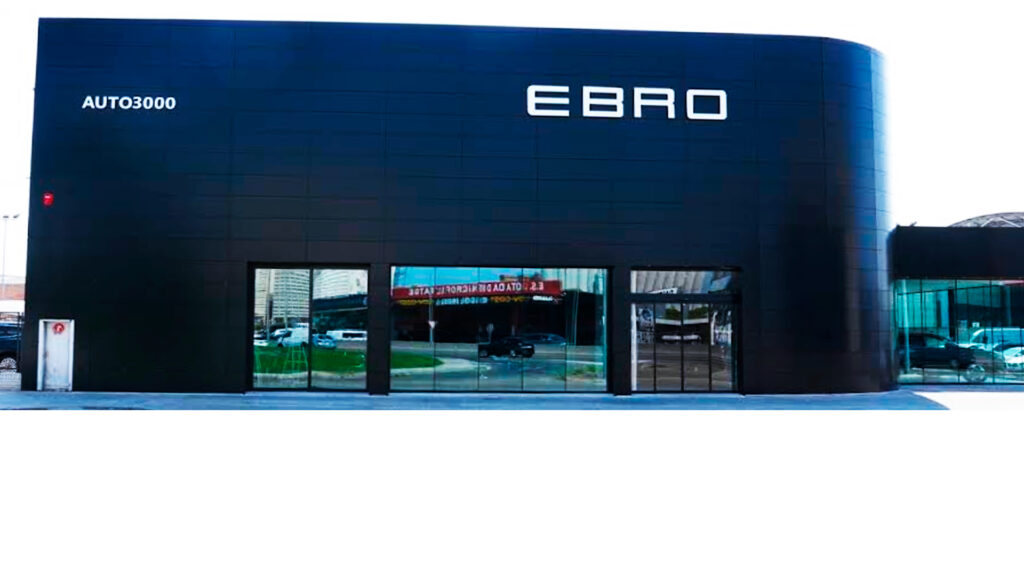
It is installed in front of the existing facade, without demolishing it, and the opportunity is taken to add insulation.
Restore with composite →
Flat, rigid backing for vinyl, direct printing, dimensional lettering, and light boxes.
Signing Composite →
Lightweight, maintenance-free, and featuring clean, folded edges on fronts and ceilings.
Composite Canopies →
Slab edges, parapets, railings, and window and door flashing.
Composite on balconies →
Lining for straight or curved posts: the panel is curved using rollers or by milling.
Bending and Machining →
Walls in homes, stores, and offices (also for covering tiles), booths, and furniture. In commercial spaces, offices, and near the kitchen, with an FR core.
Wall Coverings →
Dealerships, gas stations, supermarkets, warehouses, and fences featuring the brand's colors.
View works →Which panel to use
| Application | Core | Typical Thickness | Fastening |
|---|---|---|---|
| Facade of a high-rise building or public gathering place | A2 | 4 mm | Hanging tray, tongue-and-groove, riveted |
| Ventilated Facade and Renovation | FR | 4 mm | Any of the four systems |
| Canopies, parapets, columns | FR | 4 mm | Riveted, glued, or tray-mounted |
| Outdoor Signs | FR or PE | 3–4 mm | Frame, glued or screwed |
| Residential Interiors, Booths, and Furniture | FR or PE | 3 mm | Glued or screwed |
| Walls in retail spaces and offices | FR | 3–4 mm | Glued or riveted |
If you're unsure which core to choose, take a look at the differences between the A2, FR, and PE cores, or ask us: we'll tell you what the regulations require in your case.
Frequently asked questions
Primarily for cladding ventilated facades, renovating facades, creating signs and signage, canopies, overhangs, columns, balconies, and commercial interiors.
Yes: on walls in homes, commercial spaces, and offices; in kitchens; on booths; and on furniture. In commercial spaces, offices, and near cooking areas, use the FR-core version; we do not recommend using PE near heat sources. It is easy to clean and can be installed without wet work.
It is not a waterproof roofing material. It is used for flashing, facades, and eaves, but the roof itself requires its own system (for example, roof sandwich panels).
Whether it's for a facade, sign, or interior, we'll help you choose the right panel and ship it to you pre-machined.